
Link Building Strategies from an SEO PPC Agency That Still Work in 2026
I was sitting across from the owner of a precision engineering firm in Chakan last month, and he said something that stuck with me: “We spent ₹85,000 on link building last year. Got 150 backlinks. Our rankings didn’t move an inch.”
Here’s what happened: his previous agency bought directory links and did guest posting on random blogs about “technology” and “business tips.” None of it connected to manufacturing. None of it looked natural. Google saw right through it.
Look, link building strategies isn’t dead. But the stuff that worked in 2019? Yeah, that’s gone. I’ve been doing this for over 12 years, working with businesses across Pune — from healthcare clinics in Kharadi to real estate developers in Hinjewadi — and I can tell you what actually moves the needle now.
This isn’t about tricks or hacks. It’s about building links that make sense, from places that matter, in ways that won’t blow up in your face when Google’s next update rolls around.
Why Most Link Building Fails (And It’s Not What You Think)
The problem isn’t that businesses don’t get links. It’s that they get the wrong links.
I looked at the backlink profile of that Chakan manufacturer using Ahrefs. Out of 150 links, maybe 12 were worth keeping. The rest? Low-authority directories, irrelevant blogs, websites with zero traffic. Some were even harmful.
Here’s what I’ve noticed working as an SEO PPC agency: most businesses focus on quantity because it’s measurable. “We got you 50 links this month!” sounds good in a report. But Google doesn’t care about 50 garbage links. It cares about one or two really good ones.
Think about it this way: would you rather have 100 people you’ve never met say you’re trustworthy, or 5 respected experts in your field vouch for you? Google thinks the same way.
And here’s the practitioner insight nobody talks about: link velocity matters more than people realize. If you suddenly get 40 links in a month after getting 2 per month for a year, that’s a red flag. Natural link growth is uneven but not ridiculous.
Step 1: Map Your Actual Link Opportunities (Before You Do Anything Else)
Don’t start by reaching out to websites. Start by figuring out who would naturally link to you.
Grab a spreadsheet. I’m serious — open Google Sheets right now.
Create these columns:
- Website/Organization Name
- Why They’d Link to Us
- Contact Method
- Priority (High/Medium/Low)
Now fill it in with:
Industry associations you’re part of. If you’re in manufacturing, that might be MCCIA or specific trade bodies. Most have member directories online. That’s an easy, relevant link.
Your suppliers and partners. The companies you work with. Many have “clients we work with” pages or case study sections. You’re already doing business together — ask if they’d mention the partnership.
Local business directories that matter. Not the spam ones. I’m talking about Pune-specific directories, chamber of commerce listings, industry-specific databases that people actually use.
Media outlets that have covered you or your industry. Local Pune publications, trade magazines, industry blogs. If they’ve quoted you before, they might again.
Complementary businesses. If you’re a packaging manufacturer, connect with the logistics companies, quality testing labs, or design firms your customers also use.
I did this exercise with a healthcare clinic in Baner. They found 47 legitimate opportunities just from this mapping. We got 12 links in 3 months without spending a rupee — just by asking organizations they already had relationships with.
Here’s what trips people up: they think too big. They want links from Economic Times or TechCrunch. Start with the websites that already know you exist.
Step 2: Create Something Worth Linking To
Nobody’s going to link to your homepage or your “About Us” page. You need link bait.
But forget the phrase “link bait” for a second because it sounds manipulative. You just need something genuinely useful that people want to reference.
Here’s what’s worked for our clients at Webcomp Digitex:
Original research or data. A real estate developer we work with in Pimpri-Chinchwad surveyed 500 homebuyers about what influenced their purchase decisions. They published the findings. Local news sites, real estate blogs, and even competitor websites linked to that data because it was original.
You don’t need a fancy research team. Survey your customers. Compile your industry data. Count something nobody else has counted.
Comprehensive guides based on your expertise. Not thin content. I mean the kind of guide that takes 8-10 hours to create but answers every question someone might have.
A manufacturing client created “The Complete Guide to Choosing Industrial Adhesives for Indian Climate Conditions.” Sounds boring, right? But engineers and procurement managers searching for this information found it incredibly useful. It got links from engineering forums, industrial supply blogs, and educational institutions.
Tools or calculators. An e-commerce client built a simple “Shipping Cost Calculator for Indian Pin Codes.” It took their developer maybe 6 hours. That tool has earned 23 backlinks in 14 months because other logistics blogs and e-commerce resources find it useful to link to.
Case studies with real numbers. Not the vague “we helped them succeed” stuff. Actual transparency: “Here’s what we did, here’s what happened, here’s what we learned.”
Here’s the thing: you probably already have this content somewhere. It’s in your head, in your customer conversations, in the problems you solve daily. You just haven’t packaged it for the web.
One warning: don’t create link bait and then just sit there. You still need to promote it (we’ll get to that). But without something worth linking to, your outreach emails are just begging.
Step 3: Digital PR That Doesn’t Feel Gross
Traditional link building outreach feels sleazy because it is. “Hey stranger, here’s my article about ‘top 10 business tips,’ please link to my completely unrelated website.”
Digital PR is different. You’re creating news or offering expertise.
Here’s how we do it at Webcomp Digitex:
Respond to journalist queries. Sign up for services like HARO (Help A Reporter Out). Journalists need expert quotes for their articles. If you’re quoted, you usually get a link. I’ve gotten clients featured in industry publications just by responding thoughtfully to these requests.
It takes maybe 30 minutes a day to check queries and respond to 2-3 that fit your expertise. Our healthcare clients do this consistently and get 3-4 high-quality links per quarter.
Piggyback on trending news. When something big happens in your industry, local media needs expert commentary. Reach out and offer your perspective.
When the new industrial policy for Pune was announced, we had a manufacturing client ready with data and opinions. Two local business publications interviewed him. Both articles linked to his company website.
Create newsworthy events or milestones. Hired your 100th employee? Opened a new facility? Reached some significant business milestone? That’s a story for local business media.
A client in the MIDC area celebrated 25 years in business and did a retrospective on how manufacturing changed in Pune. Local papers covered it. That’s 4 high-authority local links.
Partner with educational institutions. Colleges and universities need industry experts for guest lectures, panel discussions, or project guidance. Participate genuinely (not just for the link), and often you’ll get mentioned on their website.
The thing that trips people up here: they pitch themselves too hard. Digital PR works when you’re offering value first — a good quote, interesting data, genuine expertise. The link comes as a byproduct.
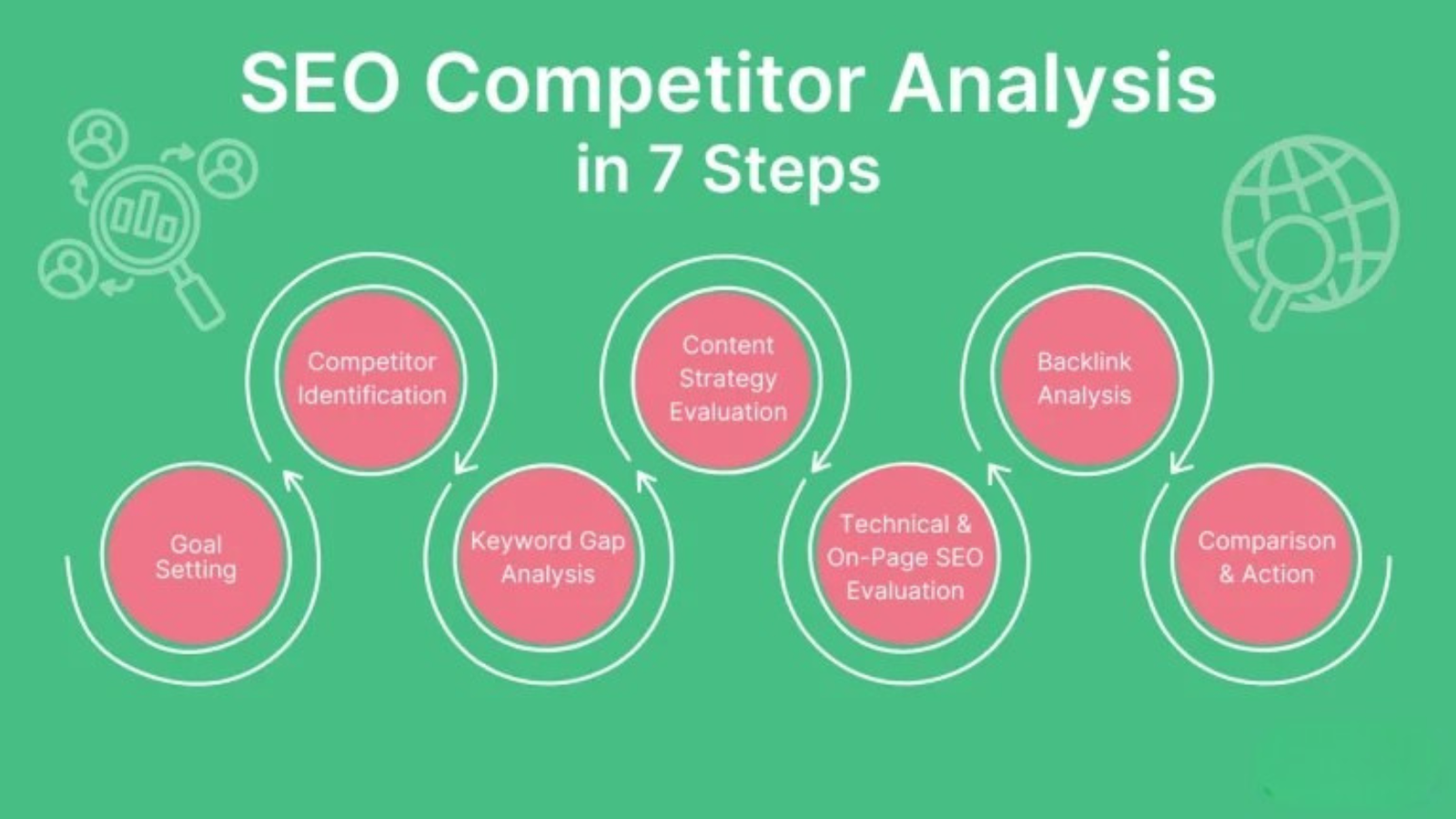
Step 4: Competitor Backlink Gap Analysis (The Honest Way)
You should know where your competitors are getting links. Not to copy them exactly, but to find opportunities you’re missing.
Open Ahrefs or SEMrush. Plug in your top 3 competitors’ domains. Look at their backlink profiles.
But here’s what most people do wrong: they see their competitor has a link from some website and immediately try to get one too, even if it makes no sense for their business.
Instead, look for patterns:
What types of websites link to them repeatedly? Industry blogs? Local news? Supplier websites? That tells you what’s possible in your space.
Which of their pages attract links? Is it their blog posts? Resource pages? Product pages? That tells you what content format works.
Are there easy wins you’re missing? Sometimes you’ll see your competitor listed in a directory or association where you qualify but never applied.
I did this for an e-commerce client in Wakad. Found that competitors were getting links from student project references (because they sold educational supplies). We created a “Resources for Students” page with free guides, and within 6 months, we started picking up similar links from school project pages and educational blogs.
Here’s the practitioner insight: use the “Link Intersect” tool in Ahrefs. It shows websites that link to your competitors but not to you. Those are your warmest opportunities because they clearly link to businesses like yours.
One warning: don’t get depressed if a competitor has 10x more backlinks than you. Some of those might be old, some might be low-quality, and some might be from strategies that no longer work. Focus on link quality, not just quantity.
Step 5: The Outreach Email That Doesn’t Get Ignored
Most link building emails are terrible. “Dear Webmaster, I found your website and noticed you could improve it by linking to our amazing content about [completely irrelevant topic]…”
Delete.
Here’s what works:
Personalize for real. Not “I loved your blog” when you clearly didn’t read it. Reference something specific from their recent content. One sentence that proves you actually looked at their website.
Lead with what’s in it for them. Not what you want. Maybe their article has a broken link you can replace. Maybe you have data that strengthens their argument. Maybe your resource genuinely fills a gap in their content.
Keep it short. Three paragraphs max. Busy people don’t read essay-length cold emails.
Make it easy to say yes. Suggest exactly where the link would fit: “In your article about X, in the section about Y, my resource on Z would be a helpful addition for readers looking to [specific outcome].”
Here’s a real example that worked for one of our clients:
“Hi [Name],
I was reading your article on selecting commercial real estate in Pune and noticed you mentioned the challenge of analyzing infrastructure development.
We recently compiled 5 years of data on upcoming metro stations and IT parks in Hinjewadi and Baner with projected timelines. I think your readers planning investments would find it useful — it’s specific to Pune and includes data not available elsewhere.
Would it make sense to add it as a resource in your infrastructure section? Happy to send you the link if you’re interested.
Thanks,
[Name]”
Response rate on personalized emails like this? About 15-20%. On generic outreach? Maybe 2-3%.
One thing that trips people up: they send 100 emails in a day. You can’t personalize 100 emails properly. Send 10 good ones instead.
Step 6: Internal Linking (The Most Ignored Link Building Strategy)
Everyone obsesses over external backlinks and completely ignores their internal linking structure. But here’s the truth: how you link between your own pages matters.
Google uses links to understand which pages on your site are most important. If your most valuable pages (the ones you want to rank) have zero internal links pointing to them, you’re making Google’s job harder.
Open Google Search Console. Look at your pages with the most impressions but low click-through rates. Often, these are pages that could rank better with proper internal linking support.
Here’s what I do for clients at Webcomp Digitex:
Create a hub-and-spoke model. One comprehensive guide (the hub) links out to specific, detailed pages (the spokes). Each spoke links back to the hub and to related spokes.
That manufacturing guide I mentioned earlier? It links to specific pages about “adhesive testing methods,” “temperature resistance,” “application techniques.” Each of those links back to the main guide. This creates a content cluster that Google sees as thorough coverage of a topic.
Fix orphan pages. Use a tool like Screaming Frog to find pages on your site with zero internal links pointing to them. These “orphan pages” are basically invisible to Google. Add relevant internal links from other pages.
Use descriptive anchor text. Not “click here” or “read more.” Use anchor text that describes what the linked page is about: “our backlink strategy guide” or “case study on reducing manufacturing costs.”
Link from high-authority pages to pages that need help. Your homepage probably has the most authority. Use it. If you have a page you want to rank, make sure your high-authority pages link to it.
One warning: don’t go crazy and add 50 internal links to every page. It looks spammy and dilutes the value. Be strategic.
Internal linking won’t replace external backlinks, but it amplifies their impact. I’ve seen pages jump 10-15 positions just from fixing internal linking structure.
What Doesn’t Work Anymore (Save Your Money)
Let me save you from wasting money on tactics that used to work but don’t anymore:
Buying links outright. Some agencies still offer “packages” of backlinks. ₹5,000 for 20 links or whatever. These are almost always low-quality, spammy links that will hurt you more than help. Google’s getting better at detecting paid link schemes.
Mass blog commenting. Leaving “great post!” comments on 100 blogs with a link back to your site. Google ignores these. You’re wasting time.
Reciprocal link exchanges. “I’ll link to you if you link to me.” This worked in 2010. Now it’s a clear signal to Google that the links aren’t editorial.
Generic guest posting on irrelevant sites. Publishing “Top 10 Business Tips” on random blogs that accept any content just to get a link. Google’s spam algorithms catch this pretty quickly now.
Automated outreach. Sending 1,000 identical emails with mail merge personalization (“Hi {First Name}”). People can tell. Response rates are terrible.
I’m not saying these tactics will definitely get you penalized. But they won’t help your rankings, and they’re a waste of money that could go toward strategies that actually work.
A real estate client came to us after spending ₹1.2 lakhs with an agency that got them 200+ backlinks from blog comments and low-quality guest posts. Their rankings dropped. We had to disavow most of those links and start over with legitimate link building. Took 6 months to recover.
Measuring What Actually Matters
You need to track this stuff, but not obsessively.
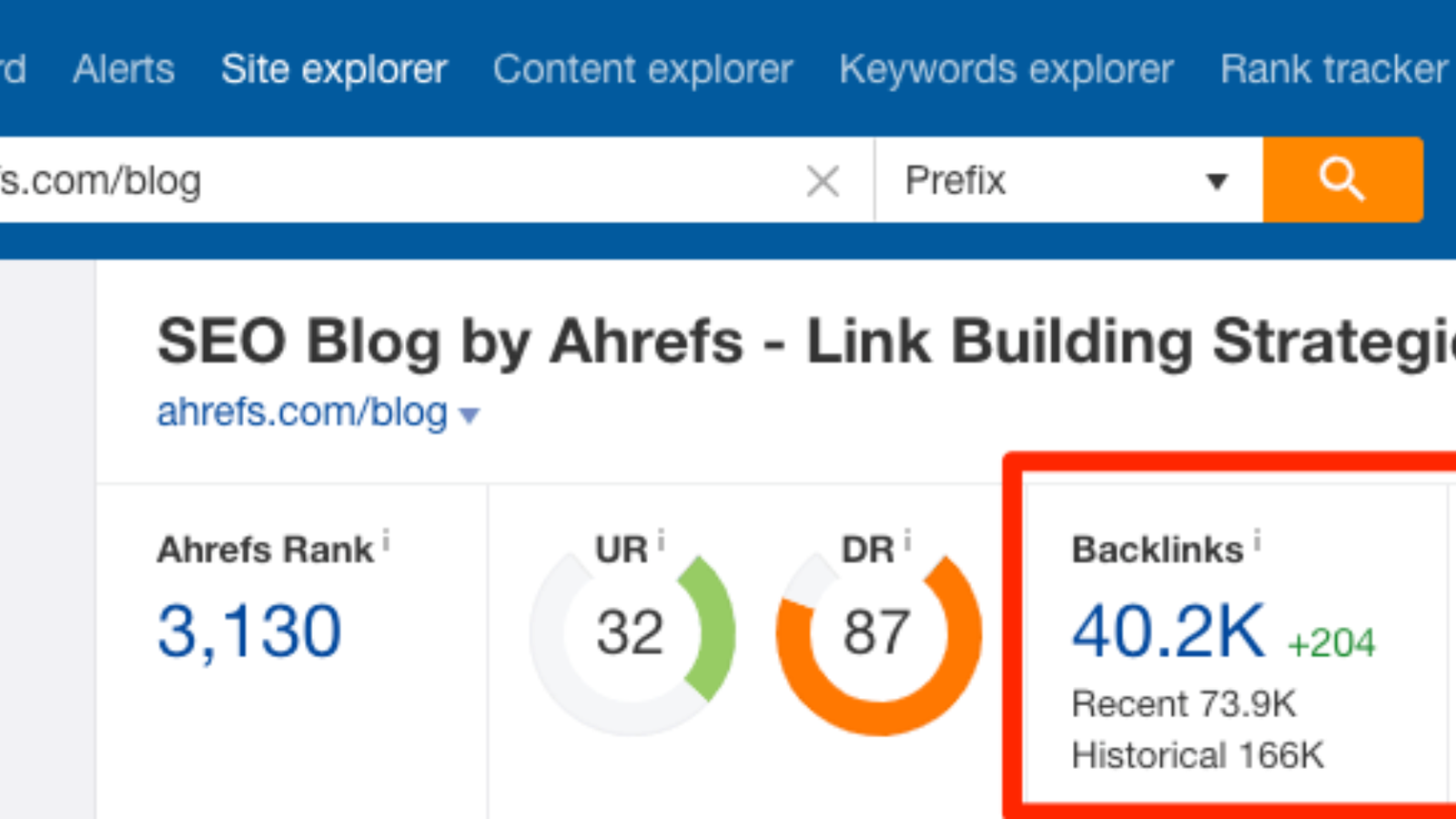
Domain Rating or Domain Authority isn’t everything, but it’s a decent proxy for link quality. Use Ahrefs or Moz to check the DR/DA of sites linking to you. Generally, you want links from sites with DR 30+.
Referring domains matters more than total backlinks. One hundred links from the same website = 1 referring domain. Ten links from 10 different websites = 10 referring domains. Google weights unique domains more heavily.
Organic traffic trend. Check Google Analytics (GA4 now). Is your organic traffic growing? That’s the ultimate measure. Links should eventually drive traffic increases and ranking improvements.
Rankings for target keywords. Track your top 10-20 keywords in a tool like SEMrush or even just manually in an incognito window. Are you moving up? If your link building is working, you should see gradual improvement over 3-6 months.
Link velocity. How many new links you’re getting per month. This should be relatively steady. Sudden spikes or drops are red flags.
Here’s what I track for clients: I pull an Ahrefs report monthly showing new referring domains, lost links, and the DR of new links. Then I compare it to organic traffic and rankings. If links are going up but traffic isn’t changing after 3 months, something’s wrong with the link quality or relevance.
One thing that trips people up: expecting instant results. Link building is slow. You might get a link today and not see ranking impact for 2-3 months. That’s normal.
For that Chakan manufacturer I mentioned at the start? We focused on quality over quantity. Got them 18 high-relevance backlinks in 4 months from industry publications, partner websites, and trade associations. Their cost-per-lead from organic search dropped from ₹6,400 to ₹1,900 in that period because they started ranking for commercial-intent keywords.
Eighteen links. Not 150. But the right 18.

Frequently Asked Questions
How long does it take to see results from link building strategies?
Honestly? Three to six months minimum. I know that’s not what you want to hear, but link building isn’t a quick fix. Google needs time to crawl the new links, assess them, and factor them into rankings. I’ve seen impact as early as 6 weeks, but that’s rare. Budget for a 4-6 month timeline before you judge whether it’s working.
How many backlinks do I need to rank?
There’s no magic number. I’ve seen pages rank on page one with 8 high-quality backlinks because they were super relevant and from authoritative sources. I’ve also seen pages with 100+ backlinks stuck on page three because they were low-quality. Focus on relevance and authority over quantity. As a loose guide, check what your competitors ranking in top 3 positions have — you probably need similar quality and quantity.
Should I disavow bad backlinks?
Only if they’re obviously spammy and could be seen as manipulative. Most bad backlinks, Google just ignores them. But if you’ve got links from known link farms, adult sites, or sites in completely different languages with no relevance, yeah, disavow them. Check your backlink profile in Google Search Console. If something looks sketchy, add it to your disavow file. We do this quarterly for clients at Webcomp Digitex as part of regular maintenance.
What’s a good Domain Authority or Domain Rating to aim for in backlinks?
There’s no hard rule, but I generally look for DR/DA of 30+ as a baseline. Links from DR 50+ sites are gold. That said, a DR 25 industry-specific blog might be more valuable than a DR 60 general news site if you’re in a niche market. Relevance trumps pure authority. Don’t reject a perfect-fit link just because the DR is 28 instead of 30.
Can I build links myself or do I need to hire an SEO PPC agency?
You can absolutely do it yourself. Link building isn’t rocket science — it’s relationship building and content creation. The challenge is time. If you’ve got 5-10 hours a week to dedicate to creating link-worthy content and doing outreach, you can make progress. But if you’re running a business, those hours might be better spent elsewhere. That’s where working with an agency makes sense — we handle the time-intensive parts while you focus on running your company.
Let’s Build Links That Actually Move Your Business Forward
Look, link building in 2026 isn’t about gaming the system. It’s about building real connections, creating genuinely useful content, and getting recognition from websites that matter in your space.
It’s slower than the old tactics. It requires more thought. But it’s sustainable, and it actually improves your rankings instead of risking a penalty.
We’ve been doing this for businesses across Pune for over a decade — manufacturing firms in Chakan and MIDC areas, healthcare clinics in Baner and Kharadi, real estate developers in Pimpri-Chinchwad, e-commerce companies in Hinjewadi and Wakad. The fundamentals don’t change: relevance, quality, and patience.
If you’ve been burned by link building before or you’re just starting to think about it seriously, we’d love to chat. No pressure, no sales pitch on the first call — just an honest conversation about what might work for your specific situation.
We’re Webcomp Digitex, and we’re right here in Pune. We know the local market because we work in it every day. Our approach to digital marketing and SEO isn’t about following some template — it’s about understanding your business, your competition, and building a strategy that actually fits.
Give us a call at +91-9960802498 or check out what we do at webcompdigitex.com.
Let’s build something that lasts.


