
You’ve spent years building the perfect property. The rooms are spotless. The service is excellent. Your F&B is on point. But your booking calendar still has gaps.
Here’s the thing: guests don’t stumble onto properties anymore. They search. They compare. They scroll through Instagram at midnight wondering where to book their next weekend. If your hotel isn’t showing up in those moments, you’ve already lost the booking.
We’ve worked with hospitality brands across India — from boutique stays in Lonavala to resort chains in Goa — and the pattern is consistent. Properties that invest in structured digital marketing strategies for hotels fill more rooms at better rates than those relying on OTAs alone. It’s not magic. It’s method.
This guide walks you through the exact digital marketing strategies that actually move the needle. Not theory. Real steps you can implement this month.

Start With a Website That Converts Browsers Into Bookers
Most hotel websites are digital brochures. Pretty photos. Generic copy. A “Book Now” button that leads to a third-party site. That’s not a website. That’s a billboard for Booking.com.
Your website needs to do one thing above all else: convert traffic into direct bookings. Every element should move visitors closer to hitting that booking form.
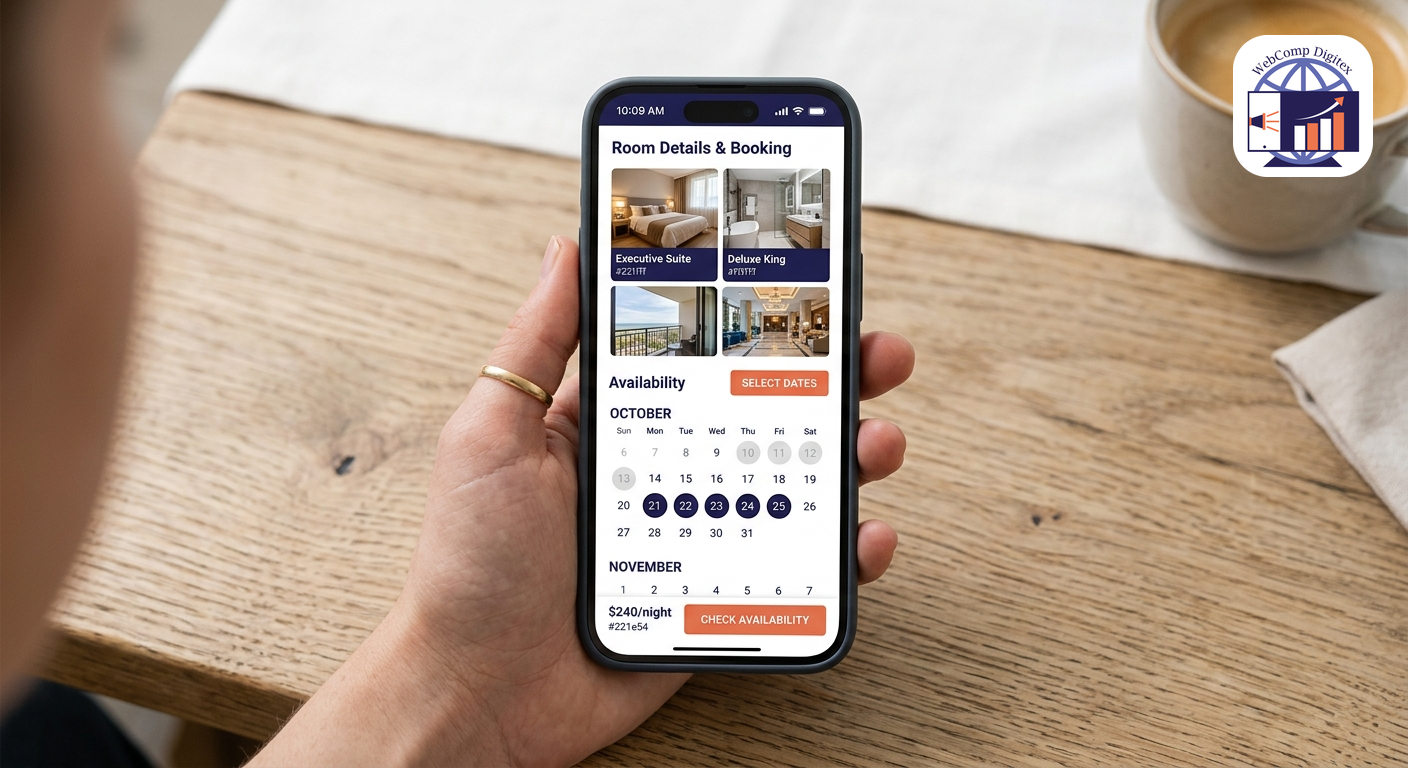
Start by auditing your current site. Open it on your phone. Try to book a room. If it takes more than three taps to see availability and pricing, you’re losing bookings. We rebuilt a resort website in Pune last year. Before the redesign, their mobile bounce rate was 68%. After simplifying the booking flow and adding real-time availability, it dropped to 41%. Direct bookings went up 34% in four months.
Your homepage should answer three questions in five seconds: Where are you located? What type of property is this? What’s the starting rate? If a visitor has to scroll or click to find these answers, you’re asking too much.
Use high-quality images, but don’t let them slow your site. Core Web Vitals matter. Google ranks faster sites higher. Compress every image. Lazy-load below-the-fold content. If your Largest Contentful Paint is over 2.5 seconds, you’re bleeding both rankings and conversions.
Include trust signals throughout. Guest reviews. Awards. Certifications. Video testimonials work exceptionally well in hospitality. A 60-second walkthrough of a suite with a real guest talking about their stay builds more trust than ten pages of copy.
Make your booking engine visible on every page. Sticky headers work. Exit-intent pop-ups offering a small discount can recover 8-12% of abandoning visitors if done right. Don’t overdo it. One subtle offer. One clear path to book.
Build Search Visibility Through Hotel-Specific SEO
You can’t rely on OTAs for discovery. They own the customer relationship. You’re just inventory. SEO puts you in front of guests before they ever see Agoda or MakeMyTrip.
Start with keyword research grounded in real search behaviour. Tools like Ahrefs and SEMrush show you exactly what potential guests are typing. Don’t optimize for “luxury hotel.” That’s too broad and too competitive. Go specific: “pet-friendly resort near Pune,” “budget beach stay in Goa under 3000,” “weekend villa with pool in Lonavala.”
Long-tail keywords convert better because the intent is clearer. Someone searching “hotel in Mumbai” is browsing. Someone searching “2BHK serviced apartment in Bandra for families” is ready to book.
On-page SEO matters more than most hoteliers realize. Every page on your site should target a specific search term. Your homepage targets your brand and location. Individual room pages target room type plus location. Your amenities page targets “hotel with spa in [city]” or “resort with kids’ activities near [landmark].”
Use schema markup. It’s a chunk of code that tells Google exactly what your page is about. Hotel schema lets you display star ratings, price ranges, and availability directly in search results. We added schema to a client’s site in Pimple Saudagar. Their click-through rate from search results jumped 19% in six weeks.
Create content that answers real guest questions. Blog posts work if they’re genuinely useful. “10 Things to Do Near Our Resort” helps SEO and helps guests plan their stay. “Best Time to Visit [Your Destination]” captures search traffic months before booking season starts. “How to Reach [Your Property] from [Nearest Airport]” ranks and converts.
Local SEO is non-negotiable. Claim and optimize your Google Business Profile. Add accurate hours, photos, and your booking link. Respond to every review — good or bad. Properties that reply to reviews rank higher in local pack results. Upload fresh photos every month. Google rewards active profiles.
Build backlinks from local tourism sites, travel blogs, and regional publications. A single link from a reputable travel website in your state does more for rankings than a hundred directory submissions.
Use Google Ads to Capture High-Intent Searches Right Now
SEO builds over time. Google Ads gets you bookings this week. It’s paid visibility, but when you target the right searches, ROI can hit 4:1 or better.
Start with Search campaigns targeting high-intent keywords. Someone searching “book resort in Mahabaleshwar this weekend” is ready to pay. Bid on those terms. Your ad should show your best room rate, a standout amenity, and a direct booking link.
Use exact match and phrase match keywords to control spend. Broad match burns budget on irrelevant clicks. We tested this with a boutique property in Karjat. Broad match gave them clicks from people searching “Karjat railway station” and “Karjat tourist places” — not booking intent. Switching to phrase match cut cost per booking by 41%.
Negative keywords are just as important. Add terms like “jobs,” “careers,” “for sale,” “map,” and “images” to your negative list immediately. You don’t want to pay for clicks from job seekers or people just browsing photos.
Run Performance Max campaigns to extend reach across Google’s entire inventory — Search, Display, YouTube, Gmail, Maps. Feed it your best creative and let Google’s algorithm find converters. It works better when you give it a clear conversion goal: completed bookings, not just form submissions.
Retargeting brings back visitors who didn’t book. Someone browses your site, checks room rates, then leaves. A well-timed retargeting ad offering a 10% discount or a free upgrade can pull them back within 48 hours. Conversion rates on retargeting ads are typically 3-5x higher than cold traffic.
Set up conversion tracking properly. If you’re tracking page visits instead of actual bookings, you’re optimizing for the wrong thing. Google needs to know which clicks became revenue. Install the tracking code on your booking confirmation page. Feed real data back into the algorithm.
Budget matters less than structure. You can start with ₹15,000 a month if campaigns are tightly targeted. Scale what works. Pause what doesn’t. Check your Search Terms report weekly. It shows every actual query that triggered your ad. You’ll find wasted spend and new opportunities in the same report.
Leverage Social Media to Build Trust and Drive Direct Bookings
Instagram and Facebook aren’t just awareness channels. Done right, they’re booking engines. The average hotel guest checks 15-20 online sources before booking. Your social presence shapes that decision.
Post content that makes people want to visit. Not stock photos. Real moments. A sunrise view from your rooftop. A guest enjoying breakfast by the pool. A candid shot of your team prepping a room. User-generated content performs even better. Repost guest photos and tag them. It’s free content and social proof in one.
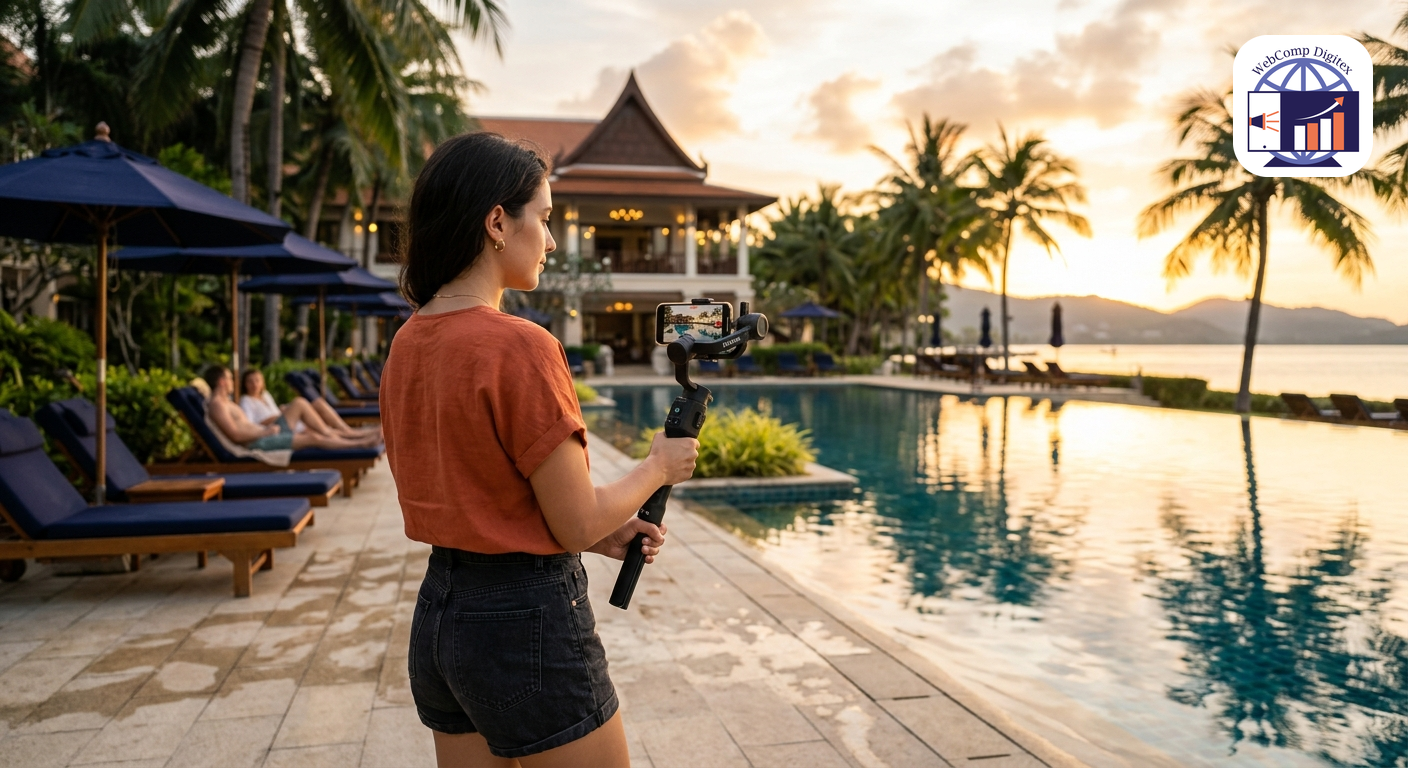
Video content dominates reach. A 15-second Reel showing your property’s highlights gets 4-6x more engagement than a static post. Showcase your USP visually. If you have a private beach, show it. If your suites have mountain views, film them at golden hour. If your chef makes something Instagram-worthy, capture the process.
Stories are underrated for hospitality. Use them to show real-time availability, last-minute deals, or behind-the-scenes moments. Add a “Book Now” sticker that links directly to your booking page. Conversion might be low per story, but volume adds up.
Run Meta Ads targeting travelers in nearby cities. Geo-targeting works brilliantly for weekend getaways. If you’re a resort two hours from Pune, target Pune residents aged 28-50 interested in travel, dining out, and luxury experiences. Show them a carousel of your best rooms and amenities. Link directly to a weekend package landing page.
Use lead ads to capture emails without sending people off-platform. Offer a downloadable guide — “Perfect Weekend Itinerary for [Your Destination]” — in exchange for an email. You’ve now got a warm lead you can nurture through email campaigns.
Engagement matters more than follower count. Respond to every comment. Answer DMs within an hour. People booking hotels often ask questions on Instagram before they check your website. Fast, helpful responses convert.
Influencer marketing works, but only if you’re selective. Micro-influencers with 10,000-50,000 engaged followers in your niche deliver better ROI than celebrity posts. Invite them for a complimentary stay. Give them a great experience. Let them create authentic content. One honest review from the right voice is worth ten paid ads.
Optimize for Online Travel Agencies Without Losing Your Margin
OTAs are necessary. They bring volume. But they also take 15-25% commission. The goal isn’t to avoid them. It’s to use them strategically while driving as much direct business as possible.
List on the big three: Booking.com, MakeMyTrip, and Goibibo. They own search volume in India. But control your pricing. Never let OTA rates undercut your website rate. Rate parity rules exist, but you can offer perks on direct bookings — free breakfast, late checkout, room upgrades — that justify booking direct.
Optimize your OTA listings like you would your website. High-quality photos. Detailed descriptions. Highlight amenities that matter: free Wi-Fi, parking, airport transfer, pet-friendly, couple-friendly. Properties with complete profiles rank higher in OTA search results.
Respond to reviews on every platform. A one-star review with a thoughtful, professional response does less damage than a one-star review ignored. Thank guests for positive reviews. Address concerns in negative ones. Future guests read your replies.
Use OTAs to capture demand you can’t reach organically, but retarget those guests for future direct bookings. If someone books through an OTA, collect their email at check-in. Add them to your email list. Offer a direct booking discount for their next stay. You paid commission once. Don’t pay it twice.
Build a Guest Database and Use Email Marketing to Drive Repeat Bookings
Most hotels treat bookings as one-off transactions. That’s leaving money on the table. A guest who stayed once and had a good experience is 5x more likely to book again than a cold lead.
Start building your email list today. Capture emails at every touchpoint: booking confirmations, check-in, post-stay surveys, website pop-ups offering a discount on the next stay. Segment your list by guest type: leisure vs. business, solo vs. family, first-time vs. repeat.
Send targeted campaigns. A family that stayed during summer break gets an email about your Diwali package. A corporate guest gets an offer for discounted extended stays. A couple who booked a suite gets early access to your Valentine’s package.
Timing matters. Send a thank-you email within 24 hours of checkout. A week later, send a feedback request with a link to review your property on Google. A month later, send a “we miss you” email with a 15% discount on their next booking. Three months later, remind them of an upcoming long weekend or festival.
Personalization increases open rates by 26%. Use their name. Reference their previous stay. Suggest room types based on what they booked before. It’s basic, but most hotel emails are still generic blasts.
Automate where possible. Tools like Mailchimp or Zoho Campaigns let you set up drip sequences that run on autopilot. A guest books. They automatically enter a sequence: booking confirmation, pre-arrival tips, post-stay thank you, review request, win-back offer.
Use Content Marketing to Establish Authority and Capture Early-Stage Travelers
People don’t wake up and book a hotel. They research. They plan. They dream. Content marketing puts you in front of them during that research phase, weeks or months before they’re ready to book.
Create content around your destination, not just your property. A blog post titled “15 Best Monsoon Getaways Near Mumbai” might not mention your hotel until paragraph eight, but it ranks, it drives traffic, and it positions you as a trusted local resource.
Video content scales reach. A YouTube video tour of your property ranks in Google search results and YouTube search. Optimize it: “Full Tour of [Your Property Name] – Rooms, Amenities, Location – [City] [Year].” Include timestamps in the description. Add a booking link in the pinned comment.
Guides and itineraries work. “Perfect 2-Day Itinerary for [Your Destination]” ranks for dozens of long-tail searches. Include your property as the recommended stay. Add internal links to your room pages and booking engine.
Collaborate with local businesses. Co-create content with nearby attractions, restaurants, or activity providers. “Best Things to Do in [City]: A Local’s Guide” featuring five businesses, including yours, gets shared by all five. That’s distribution and backlinks in one move.
Update old content. A post from 2023 about “Top Resorts in Lonavala” can be refreshed with 2026 data, new images, and current pricing. Republish it. Google rewards fresh, updated content with better rankings.
Track the Right Metrics and Adjust Based on Real Performance Data
Most hotels track revenue. That’s not enough. You need to know which channel drove which booking, at what cost, with what lifetime value.
Set up Google Analytics 4 properly. Track every conversion: booking form submissions, phone calls from the website, email sign-ups, brochure downloads. Create goals for each. Without tracking, you’re flying blind.
Use UTM parameters on every campaign link. A Facebook ad should have a tagged URL so you know exactly which campaign, ad set, and creative drove the booking. Same for email campaigns, Google Ads, and influencer posts.
Calculate cost per acquisition by channel. If Google Ads costs ₹2,500 per booking and Meta Ads costs ₹1,800, shift more budget to Meta. If organic social drives awareness but email drives bookings, double down on list building.
Monitor your booking funnel. How many visitors land on your homepage? How many click “Check Availability”? How many start the booking form? How many complete it? If 500 people check availability but only 15 book, your pricing or booking experience is the problem, not your traffic.
Track average booking value and length of stay by source. OTA bookings might have lower value than direct bookings. Corporate bookings might have shorter stays but higher frequency. Knowing this shapes where you invest.
Review monthly. Pick one metric to improve each month. January: reduce bounce rate. February: increase email list growth. March: improve Meta Ads ROAS. Small, focused improvements compound.
Frequently Asked Questions
What’s the most cost-effective digital marketing channel for small hotels?
SEO and Google Business Profile optimization. Both are low-cost, high-impact strategies that build over time. Pair them with organic social media and email marketing to repeat guests. You can start seeing results within 8-12 weeks without a massive ad budget.
How much should a hotel spend on digital marketing monthly?
A realistic starting budget is 5-8% of your monthly revenue. If you’re doing ₹10 lakhs a month, allocate ₹50,000-₹80,000 to digital marketing. Split it: 40% on paid ads, 30% on content and SEO, 20% on tools and software, 10% on creative production. Scale as you see ROI.
Should I hire an agency or build an in-house team for hotel marketing?
Agencies give you access to specialists — SEO experts, ad managers, content creators, video producers — without hiring full-time. For most independent hotels and small chains, an agency is more cost-effective. In-house makes sense only if you’re running multiple properties and need daily hands-on control.
How Long Does It Take to See Results from Digital Marketing Strategies for Hotels?
Paid ads can drive bookings within days. SEO takes 3-6 months to show meaningful rankings. Social media builds over 2-3 months. Email marketing to your existing list works immediately. Expect a blended timeline: quick wins from ads while you build long-term assets like SEO and content.
Ready to Fill More Rooms With Guests Who Pay Full Rate?
Pretty property photos don’t pay the bills. Conversion systems do. Structured campaigns do. Consistent content and optimized booking experiences do.
At Webcomp Digitex, we’ve built digital marketing strategies for hotels, resorts, and hospitality brands that treat every rupee spent like an investment, not an expense. We combine website development, SEO, performance marketing, and video production under one roof — so your digital presence works as one system, not five disconnected tactics.
If your occupancy rate has gaps you can’t explain, or if OTAs are eating your margins, let’s fix that. Call +91 9960802498 or email digitalmarketing@webcompdigitex.com. We’ll audit your current digital presence, identify what’s costing you bookings, and build a plan that actually moves your numbers.
Because in 2026, the best room doesn’t win. The room guests can find, trust, and book in three clicks wins.


